561-532-2139


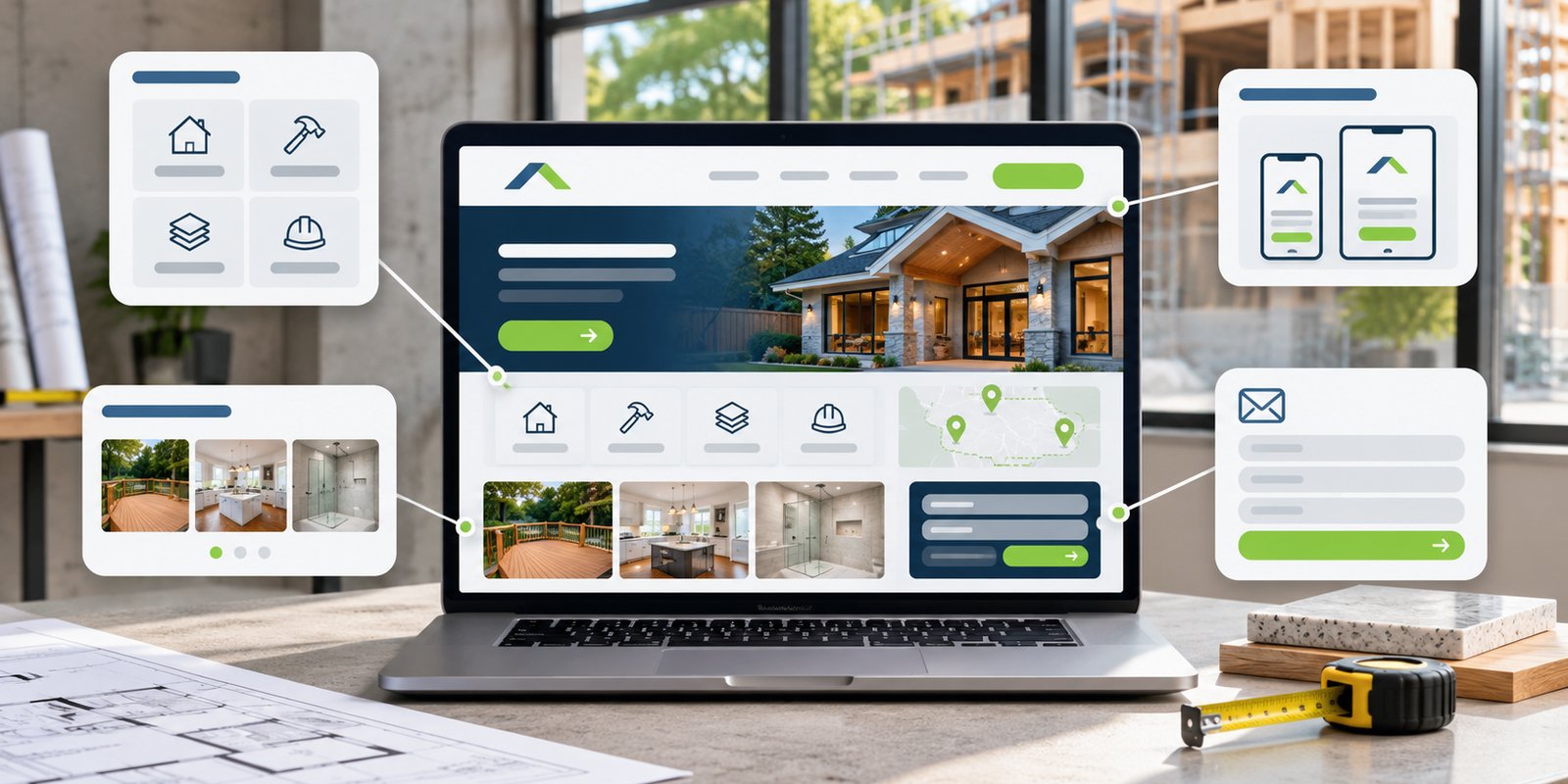

A contractor website can look polished and still be difficult to use, unclear about services, or weak at turning interest into contact. In many cases, those problems begin before design starts. The business has not fully organized what the site needs to explain, which services matter most, what proof is available, or what a potential customer should do next.
That is why contractor website planning matters. A web designer can organize and shape information, but the project becomes harder when basic business decisions are still unresolved during the build.
For contractors in West Palm Beach, the most useful preparation is not choosing colors or sketching layouts. It is making sure the website has accurate information, a clear service structure, realistic trust content, and a defined path from research to inquiry.
The warning signs below are common reasons a contractor website project becomes harder than it needs to be.
The Service List Is Too Vague to Build Around
One of the first problems appears when the business can name its services but cannot clearly explain how they should be organized.
A contractor may offer several types of work, yet the current website might reduce everything to a short list. That creates a planning problem because the designer still has to determine which services deserve their own pages, which can be grouped, and which should receive the most attention.
The best starting point is the work customers actually hire the company to perform.
For each major service, identify what it is, who typically needs it, what problem it addresses, where it is available, and what customers commonly ask before making contact. These notes do not need to be polished copy. They need to be accurate enough to guide the site structure.
A major service may deserve a dedicated page when it represents a distinct customer need and requires enough explanation to stand on its own. Closely related services can often stay together when separating them would create thin or repetitive pages.
This matters because a site structure built around vague categories can force major revisions later. If a service that looked minor turns out to be a core offering, navigation, content, calls to action, and internal links may all need to change.
Contractors can avoid that problem by organizing the business before organizing the website.
The Website Is Missing the Information Customers Use to Judge Fit
A second problem appears when the project begins with plenty of marketing language but very little decision-making information.
Potential customers usually want practical answers. They may need to know whether the contractor handles a specific type of work, whether the business serves their location, what kind of projects it takes on, and how to start a conversation.
If those answers are missing, the website may look complete while still leaving important questions unresolved.
Contractors can prepare by writing down the questions that come up repeatedly in calls, emails, consultations, or estimate requests. If customers regularly ask whether a service is available, the website may not explain it clearly enough. If people frequently ask whether the company works in their area, service-area information may need more prominence.
The website should answer real questions using confirmed information.
It should not fill gaps with assumptions about what contractors usually offer. Free estimates, emergency work, financing, warranties, certifications, licensing details, response times, and similar claims should appear only when the business has verified them.
Wellington Web Designs has a broader guide on what to prepare before hiring a web designer that can help businesses organize current information and customer questions before a project moves further.
Trust Sections Are Planned Before the Proof Exists
Contractor websites often depend on project photos, testimonials, credentials, or company information to support trust. Problems begin when those sections are designed before anyone confirms what material is actually available.
A layout may include a large project gallery, for example, only for the business to discover that the usable photos are limited, outdated, or difficult to identify. A testimonial section may be planned even though approved reviews have not been collected. A credentials area may be drafted around claims that still need verification.
That can force the website to rely on filler or require redesign later.
Before the build starts, gather the trust material that can actually be used. This may include original project photography, current company information, approved reviews, confirmed service-area details, brand files, and any credentials the business has verified.
Project images are especially useful when they have context. Knowing which service or general project type an image represents helps determine where it belongs and what it supports.
The same rule applies to every trust claim: use what is real and relevant.
A contractor website does not need every possible trust element. It needs enough accurate information for potential customers to understand the business without relying on generic promises.
Mobile Use and Contact Paths Are Treated as Finishing Touches
Another common planning problem is treating mobile usability and calls to action as details that can be added after the main website is designed.
For contractors, that can create unnecessary friction because a potential customer may first visit the site from a phone after a referral, a local search, a social post, or seeing the company in the community.
The mobile experience should be considered while page structure is being planned.
A visitor should be able to understand the main service, find relevant information, confirm where the company works, and locate a sensible contact option without fighting the layout. Navigation, images, forms, buttons, and text all need to remain practical on smaller screens.
Wellington Web Designs covers related considerations in its guide to mobile-friendly web design in West Palm Beach.
The same planning applies to the inquiry path.
Each important page should have a reason to exist and a logical next step. A service page may lead naturally to a consultation. An informational article may first direct someone toward the relevant service. Project content may help a visitor confirm fit before reaching a contact option.
The website does not need aggressive calls to action everywhere. It needs clear direction.
Planning that path before development helps avoid a common problem: pages that provide information but leave visitors unsure what to do next.
Approval Bottlenecks and Outdated Information Slow the Build
Website projects can also lose momentum when basic business information is still being verified after pages are already being written or designed.
Outdated phone numbers, old service descriptions, former team members, unclear service areas, or conflicting versions of company information can all create rework.
Contractors can reduce that friction by identifying the current source of truth before the build begins.
That includes confirming contact information, major services, service areas, brand materials, approved company descriptions, and the person responsible for final decisions.
Approval responsibility matters because late-stage feedback from several people can send a project in different directions. The business does not need one person to make every creative decision, but it should be clear who can confirm that the website represents the company accurately.
Existing content should also be reviewed rather than automatically reused.
An older website may contain useful service descriptions or project information, but it may also contain statements that no longer match the business. Reusing content without checking it can carry outdated details into the new site.
The same is true for pricing, guarantees, partner relationships, performance claims, or other specific statements. They should not be transferred unless they are current and verified.
A Better Contractor Website Starts With Clearer Inputs
A contractor does not need to design the website before working with a web professional. It does need to bring accurate information and clear priorities into the project.
The most useful preparation is practical: organize the real services, identify the questions customers ask, gather the trust material that is actually available, confirm service areas and contact details, and decide what action a qualified visitor should take.
That gives design and development a stronger foundation.
It also helps keep the website focused on the business instead of filling pages with generic contractor language.
For West Palm Beach contractors, the planning stage is a chance to make sure the future site reflects the way the company actually works and the information local prospects need before contacting it.
A useful website should eventually connect those individual pieces into a clear path. Wellington Web Designs explains more about that process in its guide to turning website visitors into inquiries.
Wellington Web Designs can review an existing contractor website or discuss what a new build needs to communicate before development begins.
If you want another perspective on your website structure before the build starts, request a Free Consultation.
FAQ
What should a contractor organize before starting a website project?
Start with accurate service descriptions, current contact information, confirmed service areas, customer questions, available project photos, brand materials, and any approved reviews or credentials. These inputs help the website structure reflect the real business.
Does every contractor service need its own website page?
No. Major services with distinct customer needs may justify dedicated pages, while closely related services can often be grouped together. The goal is to make the site easier to understand without creating thin or repetitive pages.
Why should mobile planning happen before development?
Mobile decisions affect navigation, page structure, image use, forms, and calls to action. Considering those needs early helps prevent the mobile version from becoming an afterthought after the desktop layout is already established.
How should a West Palm Beach contractor handle service-area content?
Use only confirmed service areas. West Palm Beach and any additional locations should appear where they help customers understand availability, without creating repetitive geographic content or implying that the business serves places it has not confirmed.